
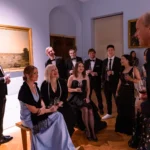
The Two-Photographer System: How Prague Event Photography Agencies Cover 500-Person Galas
June 5, 2026
The 80/20 Rule of Event Photography: What to Prioritize When Time Is Against You
June 7, 2026
Every great wedding photographer walks a tightrope between structure and spontaneity. Building the shot list that covers every client need without killing creativity is one of the most nuanced skills in the industry — and one that separates forgettable albums from timeless ones. A well-crafted wedding shot list isn’t a creative cage; it’s a compass. It ensures no meaningful moment slips through the cracks while leaving generous room for the unexpected magic that makes each wedding unique. Whether you’re a couple trying to communicate your vision or a photographer refining your workflow, this guide will show you how to build a shot list that serves everyone beautifully.
Why a Wedding Shot List Matters More Than You Think
A shot list is often misunderstood. Some couples fear it will make their photos feel staged. Some photographers resist it, worrying it will box in their artistry. In reality, a thoughtful shot list does the opposite — it creates clarity, trust, and freedom.
The Psychology Behind the List
When both the couple and the photographer know exactly which formal moments must be captured, everyone relaxes. The pressure of “Did we get that?” disappears, and genuine emotion — laughter, tears, stolen glances — rises naturally to the surface. Structure is what makes spontaneity possible.
What Happens Without One
Without a shot list, photographers rely entirely on instinct and memory during one of the most fast-paced days imaginable. Family formals get missed. The grandmother who traveled across the country never makes it into the frame. The couple regrets it for decades. A shot list is not just a creative tool — it’s a promise of coverage.
The Anatomy of a Complete Wedding Shot List
A comprehensive wedding shot list should cover every phase of the day while remaining flexible enough to accommodate the unexpected. Here is how to structure it effectively.
1. Getting Ready (Bridal & Groom Preparation)
This chapter sets the emotional tone of the entire album. Prioritize both documentary and detail-oriented shots.
- Dress, shoes, jewelry, and invitation suite flat lay
- Bride/groom getting dressed or putting on final accessories
- Candid moments with the bridal party or groomsmen
- Emotional first reactions — parents seeing the couple ready
- Close-up portraits in window light
Pro balance tip: Allocate 10–12 shots here, but always leave 5–8 open slots for candid storytelling.
2. The Ceremony
The ceremony is where documentation becomes sacred. Every beat matters.
- Processional — each person walking down the aisle
- First look at the altar (the couple seeing each other)
- Ring exchange close-ups
- Vow readings — wide, medium, and intimate close-ups
- The kiss — multiple angles if possible
- Recessional energy and joy
- Signing the registry
- Venue establishing shots — interior and exterior
Ask your photographer to also capture reaction shots from the guests — these are often the most emotionally resonant images in an album.
3. Family Formals — The Most Important List to Nail
This is where a detailed shot list saves the day, literally. Family formals can consume 30–60 minutes if unorganized, or flow smoothly in 20 minutes with a clear plan.
How to Build Your Family Formal List
Start with the largest groupings and work inward to the smallest. A logical order might look like this:
- Full wedding party + both families
- Immediate family of the bride (parents + siblings + couple)
- Immediate family of the groom (parents + siblings + couple)
- Grandparents with the couple
- Couple with each set of parents individually
- Couple with each sibling
- Extended family groupings as needed
Name each person in your list. Don’t write “couple with groom’s family” — write “Kemal, Ayşe, and brother Mert with couple.” This eliminates confusion entirely on the wedding day.
4. Wedding Party Portraits
- Full wedding party together
- Bridesmaids with the bride only
- Groomsmen with the groom only
- Individual portraits with each member of the wedding party
- Fun/candid group shots with personality
5. Couple Portraits — Where Creativity Breathes
This is the section of the day that belongs entirely to the photographer’s vision and the couple’s connection. Resist the urge to over-list here. Instead, identify:
- 3–5 specific locations or backdrops you love
- Any particular poses or moods (e.g., “we want something intimate and quiet, not overly posed”)
- Golden hour window time — protect this fiercely in your timeline
The best couple portraits are never on any list. They happen when both parties trust each other and the moment unfolds naturally. The shot list simply ensures you arrive at those moments with enough time and energy.
6. Reception Coverage
- Venue detail shots — tables, centerpieces, floral, lighting
- Cake and dessert table
- First dance — wide establishing, medium, and intimate close-ups
- Parent dances
- Speeches and toasts — speaker and couple’s reactions
- Bouquet and garter toss if applicable
- Dance floor energy
- Grand exit
The Art of Balancing Coverage and Creativity
Use the 70/30 Rule
A strong wedding shot list should account for approximately 70% planned, essential moments and leave 30% open for creative interpretation. This ratio honors the couple’s need for complete coverage while respecting the photographer’s artistic instinct.
Communicate the “Why” Behind Each Shot
Rather than simply listing shots, note the emotional intention behind them. Instead of writing “photo with grandma,” write “photo with Grandma Rosa — she has been battling illness and this is deeply important to the family.” This transforms a task into a sacred intention and reminds the photographer of the human weight behind each frame.
Build in Buffer Time
Every experienced photographer knows that timelines slip. Weather changes. Emotions run high. Guests linger. Build 15–20 minutes of buffer time around your most critical shot list segments — particularly family formals and couple portraits. This breathing room is where creativity survives on the most chaotic days.
Separate the “Must-Have” from the “Would Love” List
Color-code or mark your shot list in two tiers:
- Non-negotiables: Shots the couple would be devastated to miss
- Wish list: Shots that would be beautiful but aren’t essential
This allows your photographer to prioritize intelligently when time is short, rather than treating all 80 shots as equally urgent.
How to Deliver Your Shot List to Your Photographer
Timing Is Everything
Share your shot list at least 2–3 weeks before the wedding, not the night before. This gives your photographer time to review it, ask questions, suggest adjustments, and incorporate it into the final timeline. A last-minute shot list creates anxiety, not collaboration.
Format for Easy Use
Your photographer will be working quickly on the wedding day. Format your shot list so it’s scannable:
- Use numbered lists for family formals
- Organize by time of day / section of the event
- Keep descriptions short and clear
- Include a printed copy AND a digital copy
Assign a Point Person for Family Formals
Designate a family member or wedding party member who knows everyone’s name and face to help coordinate group shots. This single decision alone can save 20–30 minutes during an already compressed post-ceremony window. It is one of the most underutilized strategies in wedding photography logistics.
Common Shot List Mistakes to Avoid
Over-Listing the Formal Portraits
If your family formal list exceeds 25–30 groupings, you are setting yourself up for a stressful, rushed experience. Be realistic. Prioritize the most meaningful combinations and trust that your photographer will capture beautiful candid moments of others throughout the day.
Ignoring the Details
Detail shots — the invitations, the perfume bottle, the shoes, the cufflinks, the rings on a textured surface — are what transform an album from a documentary into a design piece. Don’t forget to list 8–10 detail shots you specifically love.
Forgetting Transitional Moments
Some of the most beloved wedding photos are taken between the planned moments — the couple sharing a quiet word before the ceremony, a flower girl twirling alone, the groom’s hands shaking slightly while adjusting his tie. A note on your shot list reminding your photographer to capture these “in-between” moments is worth its weight in gold.
Frequently Asked Questions
How long should a wedding shot list be?
A comprehensive wedding shot list typically includes 60–100 planned shots, depending on the length and complexity of the day. For an 8-hour coverage, aim for roughly 15–20 shots per major section (getting ready, ceremony, family formals, couple portraits, reception). Anything beyond 120 planned shots risks overwhelming your photographer and leaving no room for creative or spontaneous moments. Quality of coverage always outweighs quantity of tasks.
Should couples create the shot list alone or with their photographer?
Ideally, the shot list should be a collaborative document. Couples begin by noting the moments and people that matter most deeply to them — particularly family formals and sentimental details. The photographer then reviews, refines, and supplements the list with their professional experience, suggesting shots the couple may not have considered and flagging anything logistically challenging given the timeline. A collaborative shot list creates shared ownership and mutual accountability for the final result.
What if something on the shot list doesn’t happen due to timing or circumstances?
This is more common than most couples expect, and it is not a failure. Weather delays, emotional moments that run long, or family members who are difficult to gather can all affect the execution of a shot list. This is precisely why it’s important to tier your list into “non-negotiables” and “wish list” items. A skilled photographer will always protect the most critical shots and communicate in real time if something on the wish list becomes unlikely. Trust your photographer’s judgment — their job is not just to take photos, but to read the day and make wise creative decisions under pressure.
ProEventPrague.com’s Founders Tips by Kemal Onur Ozman
After photographing weddings and high-profile events across Europe — from intimate Prague ceremonies in baroque chapels to grand celebrations along the Vltava — here is what I have learned that most shot list guides will never tell you:
The most powerful thing you can add to any shot list is an emotional note, not a technical instruction.
When I receive a shot list that says “photo of couple with bride’s father,” I take a competent photo. When the list says “bride’s father has walked her through every major moment of her life — this photo means everything to her,” I take an unforgettable one. I position them differently. I wait for a natural moment of touch or eye contact. I use the available light with more intention. The technical execution changes completely when I understand the emotional stakes.
My second professional secret: always schedule your shot list around light, not just time. In Prague, during summer weddings, the golden hour arrives around 8:30–9:00 PM. I always build the couple portrait session — the most creative, least structured portion of the day — to coincide with that window. No shot list in the world produces the same result as a couple standing in golden Prague light, relaxed after hours of celebration, looking at each other with real love. The light does half my job for me.
Finally, leave one moment entirely off the list. One deliberate, unplanned window of 10 minutes during the day where you ask your photographer to simply follow their instinct with no instructions. Some of the most celebrated images in my portfolio came from exactly those unconstrained minutes. A shot list is a foundation — but the architecture of a truly extraordinary album is always built in the spaces between the plan.
— Kemal Onur Ozman, Founder & Lead Photographer, ProEventPrague.com
Our services
Planning an event in Prague?