

The Handoff Brief: How to Work Seamlessly with a Second Shooter You’ve Never Met
June 14, 2026
The Lens Kit That Covers Every Prague Event Space From Cellar to Rooftop
June 16, 2026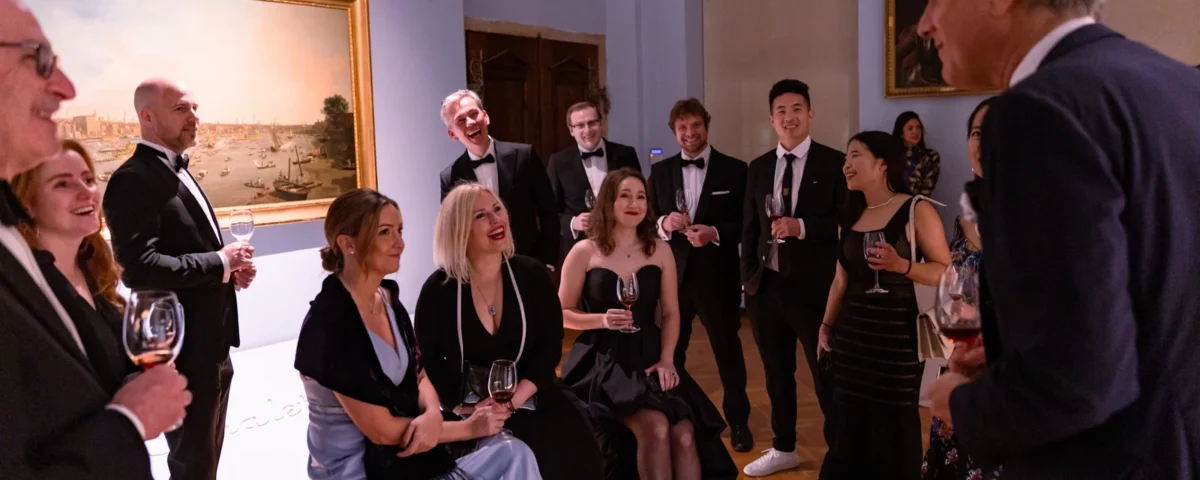
When it comes to capturing the magic of Prague gala events, one of the most critical — and often overlooked — technical decisions a photographer must make is whether to rely on flash photography or embrace available light. This isn’t merely a stylistic preference; it’s a technical commitment that shapes every image taken throughout the evening. From the golden glow of chandeliers in Art Nouveau ballrooms to the dramatic stage lighting of corporate galas at venues like Žofín Palace or the Municipal House, Prague offers a unique visual landscape that demands a thoughtful approach. Understanding the honest technical comparison between flash and available light will help couples, event planners, and even photographers make smarter decisions before the first shutter clicks.
Understanding the Two Approaches: Flash vs Available Light Photography
Before diving into the technical specifics, it’s important to establish what each approach actually means in a real gala event environment. These are not binary choices — they are philosophies, each with trade-offs that only become visible when the lights dim and the evening begins.
What Is Available Light Photography at Gala Events?
Available light photography — sometimes called natural light or ambient light photography — means the photographer uses only the existing illumination present at the venue. At Prague gala events, this typically includes:
- Crystal chandelier lighting in historic ballrooms
- Warm tungsten table candles and centerpiece flames
- Colored event uplighting and LED wash systems
- Stage spotlights during speeches, awards, and performances
- Window light during early evening cocktail hours
The result is imagery that feels cinematic, atmospheric, and emotionally immersive — photographs that smell like velvet curtains and taste like champagne.
What Is Flash Photography at Gala Events?
Flash photography introduces an artificial light source — typically a speedlight or a studio strobe — either on-camera or positioned off-camera. At gala events, this can mean:
- On-camera bounce flash for candid group shots
- Off-camera flash with light stands or remote triggers
- High-speed sync (HSS) flash for mixed lighting scenarios
- Ring flash for editorial portraiture at cocktail receptions
Flash delivers technical consistency, sharp exposure control, and flattering subject illumination regardless of the ambient conditions — a safety net when available light simply isn’t enough.
Technical Strengths of Available Light Photography
Preserving the Venue’s Atmosphere and Color Story
Prague’s iconic gala venues are architectural masterpieces. The Municipal House, Lobkowicz Palace, and Žofín Ballroom are designed to be visually spectacular. Available light photography preserves every deliberate design decision the venue’s lighting team has made — the warm amber wash over the dance floor, the cool blue accent lighting on the stage, the flickering candlelight that turns dinner tables into still-life paintings.
When flash enters the equation aggressively, it can flatten these layers, washing out the venue’s color palette and robbing the space of its three-dimensional depth.
Invisibility and Guest Experience
One of the most underrated technical advantages of available light photography is its non-intrusive nature. At a formal gala, repeated flash bursts can:
- Disturb speeches, ceremonies, or live performances
- Cause discomfort to elderly guests or those sensitive to light
- Create a paparazzi-like atmosphere that feels inelegant
- Distract keynote speakers or award recipients at critical moments
A skilled available light photographer moves through the event like smoke — present everywhere, visible nowhere.
Emotional Authenticity in Every Frame
Available light photographs carry an inherent emotional truth. Shadows are real. Highlights are earned. The slight motion blur on a dancing couple tells a story that a perfectly frozen flash image cannot. For couples who want their wedding gala to be remembered as felt rather than merely documented, available light is often the more honest artistic choice.
Technical Strengths of Flash Photography
Exposure Control in Challenging Environments
Not all Prague gala venues are bathed in beautiful light. Some historic spaces are dramatically underlit — gorgeous to the eye but technically unforgiving to a camera sensor. In these situations, flash photography provides essential technical reliability:
- Eliminates grain (noise) from pushing ISO too high
- Ensures sharp, crisp images of important group portraits
- Balances mixed color temperatures from multiple light sources
- Guarantees usable images during the darkest moments of the evening
Flattering Portrait Rendering for VIP Guests
From a pure portraiture standpoint, controlled flash — particularly a large, diffused off-camera flash source — produces technically superior skin rendering. For corporate galas with CEOs, dignitaries, or public figures who expect polished, publication-ready imagery, this matters enormously. The catchlights, the smooth skin gradient, the clean background separation — these are flash’s gifts to the formal portrait.
Consistency Across Long Events
A gala event can last six to eight hours. As the evening progresses, available light conditions change dramatically — from sunset cocktail hour to pitch-dark midnight dancing. Flash photographers maintain consistent exposure and white balance across the entire event timeline, making the final gallery feel cohesive rather than technically scattered.
When Prague Venues Demand a Hybrid Approach
Reading the Venue Before the Event
The most experienced gala event photographers in Prague don’t commit entirely to one approach. Instead, they conduct a pre-event venue assessment — measuring ambient light levels, identifying problem zones (often the bar area, entrance hall, or outdoor terrace), and planning flash deployment strategically rather than reactively.
A hybrid workflow at a typical Prague gala might look like this:
- Cocktail hour: Available light only — champagne toasts, candid arrivals, architectural details
- Dinner service: Available light with occasional bounce flash for table portraits
- Awards ceremony / speeches: Available light to avoid disruption, remote flash triggered off-stage if permitted
- Dancing / late evening: Off-camera flash with colored gels to blend with DJ lighting
High ISO Cameras Have Changed the Equation
It would be dishonest not to acknowledge that modern full-frame mirrorless cameras — Sony A7 series, Canon R5, Nikon Z series — have dramatically shifted this debate. Shooting at ISO 6400 or even 12800 is now technically viable in ways that were impossible a decade ago. This has pushed the available light approach into territory previously reserved only for flash, allowing photographers to capture sharp, clean images in genuinely dark environments.
However, this doesn’t eliminate flash’s advantages — it simply raises the bar for when flash becomes truly necessary.
Practical Recommendations for Couples Planning Prague Gala Events
Questions to Ask Your Gala Event Photographer
When meeting with a photographer for your Prague gala event, ask these technically revealing questions:
- “What is your primary lighting philosophy — available light, flash, or hybrid?”
- “Have you photographed at this specific venue before, and what lighting challenges does it present?”
- “Can I see examples from the darkest part of a previous event — the midnight dancing shots?”
- “How do you handle flash at moments like the first dance or a keynote speech?”
Why the Venue Matters More Than the Equipment
At the end of this technical comparison, here is the honest truth: the venue dictates the approach, not the photographer’s personal preference. A venue like the Baroque Hall of Wallenstein Palace, with its dramatic ceiling paintings and candlelit grandeur, almost begs for available light treatment. A large conference gala in a modern event hall at Prague Congress Centre may genuinely require strategic flash deployment to produce professional results.
The best photographers in Prague know both languages fluently — and they speak whichever one the room requires.
Frequently Asked Questions
1. Will flash photography disrupt our gala event or distract guests?
This depends entirely on how and when flash is used. On-camera flash fired repeatedly into a crowd can absolutely feel intrusive, particularly during formal speeches, live music performances, or intimate first dances. However, a well-positioned off-camera flash with a large diffuser, triggered remotely from a discreet location, can illuminate a room beautifully without drawing attention. The key is hiring a photographer who plans their flash strategy in advance rather than reacting in the moment. Always discuss this with your photographer during the planning stage and communicate any moments where you want zero flash disruption.
2. Is available light photography suitable for all Prague gala venues, even darker historic spaces?
Not unconditionally. While modern full-frame cameras have extraordinary low-light capability, some of Prague’s most beautiful historic venues are genuinely too dark for reliable available light photography throughout the entire event. Cellars, vaulted gothic spaces, and certain intimate private dining rooms may produce images with excessive grain or motion blur at ISO limits — especially during fast-moving moments like dancing. A professional photographer will assess the venue beforehand and be honest with you about where available light alone will and won’t deliver the quality you expect.
3. How does mixed lighting at Prague gala events — combining chandeliers, candles, colored LEDs, and stage lights — affect the final photographs?
Mixed lighting is one of the most technically complex challenges in gala event photography. Each light source has a different color temperature — chandeliers emit warm tungsten light (~2800K), modern LED systems often emit cooler daylight (~5000K), and colored event uplighting introduces hues that no white balance setting can fully neutralize. Available light photographers must choose a white balance priority and accept some color variation, which can actually enhance the atmosphere if handled artistically. Flash photographers can overpower some of these competing light sources to impose consistency. The honest answer is that neither approach perfectly solves mixed lighting — but an experienced gala photographer can manage it skillfully with either method.
ProEventPrague.com’s Founders Tips by Kemal Onur Ozman
After years of photographing gala events across Prague’s most iconic and architecturally complex venues, here is a professional insight that very few photographers will openly share:
The most powerful tool in your lighting arsenal at a Prague gala is not your flash unit — it is your relationship with the venue’s lighting technician.
Before every major gala I photograph, I arrive early and introduce myself to the event’s lighting operator. I ask them two questions: “What will the lighting look like during dinner?” and “Can you hold the dance floor lights at full intensity for the first three songs?”
What I have learned is that venue lighting operators can make or break your photography — and they almost never get acknowledged. A lighting technician who knows you’re trying to create beautiful images will often make small, subtle adjustments: a slightly warmer wash over the head table, keeping the stage spotlights a touch brighter during the awards moment, or not cutting to a dramatic dark-red disco cycle during the first dance.
These micro-adjustments cost nothing. They require no additional equipment. And they can mean the difference between a technically challenging gallery and a breathtaking one. The best available light photography at a gala is never purely accidental — it is quietly engineered.
Additionally, I always carry what I call a “flash insurance kit” — two off-camera speedlights pre-mounted on small stands, pre-gelled to match the venue’s ambient color temperature, sitting in my equipment bag untouched. Not because I plan to use them, but because Prague’s historic buildings have a habit of blowing a fuse or dimming unexpectedly at the worst possible moment. Having that backup, already calibrated and ready to deploy in under sixty seconds, is the difference between a professional and someone hoping the available light holds.
Plan for the light you want. Prepare for the light you might get. Deliver images that make the venue look like it was designed specifically for that one evening — because, truly, it was.
— Kemal Onur Ozman, Founder & Lead Event Photographer, ProEventPrague.com