Art Behind the Lens: Why Communication Is Everything
March 27, 2026Product Photography in Prague
March 29, 2026
When it comes to press conference photography in Prague, one of the most critical—and often overlooked—elements is understanding the press conference setup and speaker positions. Whether you’re organizing a corporate announcement, a political briefing, or a high-profile product launch in the heart of Bohemia, the physical arrangement of speakers, podiums, and press zones can dramatically impact the quality of your event photography. Knowing where to stand, who stands where, and how light interacts with each position is the invisible architecture that separates a memorable visual record from a forgettable one.
Understanding the Standard Press Conference Layout in Prague
Prague hosts hundreds of press conferences annually—from intimate hotel boardrooms in Vinohrady to grand ceremonial halls in the Old Town. Despite the variety of venues, most press conferences follow a recognizable spatial logic that photographers and organizers must understand deeply.
The Speaker Table: The Focal Point of Every Frame
The speaker table is the visual anchor of any press conference. In Prague’s most common setups, this is a long, cloth-draped table positioned slightly elevated or at floor level, facing the press corps. Speakers are seated in a row, typically with the most senior spokesperson positioned at the center.
From a photography standpoint, this symmetry is both a gift and a challenge. The center speaker naturally draws the eye, but capturing authentic reactions from flanking participants requires anticipation and lateral movement. A skilled photographer will document not only the primary speaker but also the micro-expressions of supporting figures—reactions that tell the full story of the moment.
The Podium Position: Authority in a Single Frame
Many Prague press conferences incorporate a standing podium—either as the sole presentation structure or in addition to a seated panel. The podium communicates authority. It elevates the speaker—literally and symbolically—and creates a natural vertical composition that works beautifully in portrait-oriented editorial photography.
For photographers, the podium position offers clean sight lines but demands attention to background management. Prague venues often have ornate architectural details that can either complement or compete with your subject. Identify early whether the background reinforces the event’s message or distracts from it.
Key Speaker Positions and Their Photographic Significance
Understanding speaker hierarchy and positioning isn’t just protocol—it’s a roadmap for capturing decisive moments. Here’s how each position type functions both organizationally and visually.
Center Position: The Primary Speaker
The center seat or central podium belongs to the lead spokesperson. This individual will speak the most, receive the most questions, and is the primary photographic subject. Ensure you have:
- A clean sightline with no obstructions
- Awareness of microphone placement—multiple mics can obscure the lower face
- Anticipation of hand gestures and forward leans for dynamic shots
Flanking Positions: Supporting Voices
Speakers to the left and right of center are often co-presenters, translators, or organizational representatives. Don’t neglect these positions. Some of the most powerful press conference images come from capturing a flanking speaker reacting to a statement they didn’t expect, or a whispered exchange during a tense Q&A session.
The Press Zone: Where Journalists Stand and Cameras Position
In a well-organized Prague press conference, the press zone is demarcated clearly—usually a standing area or rows of chairs facing the speaker setup. As an event photographer, you will often work from within the press zone but also from its periphery, seeking angles that the news cameras cannot easily access.
The press zone’s distance from the speaker table varies. In smaller venues, you may be 3–4 meters away. In larger ceremonial halls, the gap can exceed 10 meters. Know your focal lengths accordingly.
The Role of Lighting in Prague Press Conference Setups
Prague venues range from naturally lit conference centers with floor-to-ceiling windows to darker, more atmospheric historical rooms. Lighting conditions fundamentally shape your shooting strategy and must be assessed before the event begins.
Front-Lit Setups: The Classic Standard
Most professionally organized press conferences will position artificial lighting in front of or above the speaker table. This creates flattering, even illumination—ideal for editorial photography. Soft boxes or overhead diffused panels are common in hotel conference spaces.
Mixed Lighting Challenges in Historical Venues
Prague’s historical venues—think baroque halls, castle chambers, or art nouveau interiors—often present mixed lighting scenarios. Warm incandescent sources clash with cool daylight from tall windows. Set your white balance manually, or shoot in RAW and adjust in post. Don’t let Prague’s gorgeous architecture become your photographic nemesis.
Positioning Yourself as the Photographer: A Strategic Approach
Your position as a photographer is just as deliberate as the positions of the speakers themselves. There is no passive vantage point in professional press conference photography.
The Frontal Angle: Safe, Clean, Credible
Shooting directly from the front of the speaker table produces the clean, credible images that media organizations and PR teams require. These images are the editorial workhorses of any press conference coverage—technically correct, compositionally predictable, and reliably usable.
The Side Angle: Context and Depth
Moving to a 45-degree angle reveals depth, shows multiple speakers simultaneously, and allows you to include contextual elements like the backdrop branding, the press corps reacting, or the room itself. This is where storytelling photography lives.
The Reverse Angle: Show the Audience
Turning your camera around to photograph the assembled journalists, cameras, and raised hands during the Q&A session provides powerful context images. These shots demonstrate the event’s scale and importance, and are often overlooked by less experienced photographers.
Backdrop and Branding: The Silent Communicator
In Prague’s professional press conference setups, the backdrop is rarely accidental. It carries logos, event branding, or national symbols. As a photographer, you must decide when to include the backdrop and when to exclude it based on what story you are telling in each frame.
A tight portrait of a speaker with the logo subtly visible in the background is a PR asset. A wide shot including the full branded backdrop with multiple speakers tells the organizational story. Both are valid; both are necessary.
Frequently Asked Questions
Q1: How many photographers are typically needed for a press conference in Prague?
For most standard press conferences in Prague, one experienced event photographer is sufficient if they understand spatial positioning and work efficiently. However, for larger-scale events with multiple simultaneous moments—such as bilateral diplomatic meetings or multi-speaker panels with breakout sessions—a two-photographer team is recommended. One covers the primary speaker zone while the other captures audience reactions, arrival moments, and contextual wide shots.
Q2: What is the ideal camera position relative to the speaker table at a Prague press conference?
The ideal starting position is slightly off-center from the primary speaker, at approximately eye level or just slightly below. This avoids the unflattering “looking down” perspective that makes subjects appear diminished, while also preventing the distortion of extreme low angles. In Prague’s typically elegant venues, maintaining eye-level contact with your subject preserves dignity and creates natural, authoritative imagery. Adjust your position dynamically throughout the event rather than committing to a single static spot.
Q3: How should I handle the Q&A portion of a press conference from a photography standpoint?
The Q&A is often the most photographically rich moment of any press conference. Speakers tend to be more expressive, authentic, and emotionally present during this phase. Position yourself to capture both the question-asker (often a journalist raising their hand or holding a microphone) and the speaker’s response expression. Use a longer focal length—85mm to 200mm—to compress the space and capture emotional nuance from a respectful distance without disrupting the flow of the event.
ProEventPrague.com’s Founders Tips by Kemal Onur Ozman
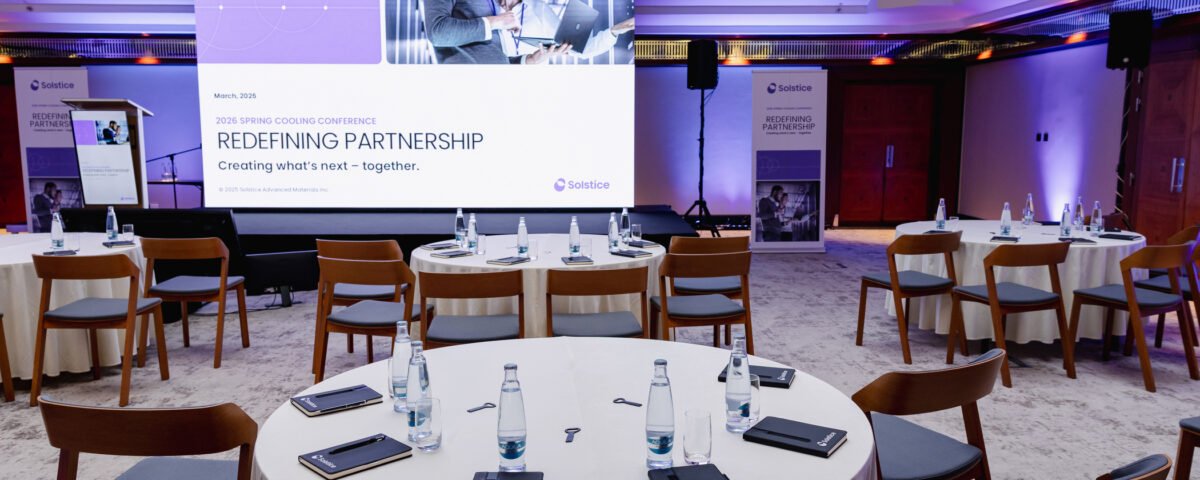
Pro Tip from the Field: After photographing press conferences across Prague for years—from intimate startup announcements to international diplomatic summits—the single most valuable lesson I’ve learned is this: arrive 45 minutes before any press conference begins and photograph the empty room.
This sounds counterintuitive, but it is transformative. When you photograph the setup before anyone arrives, you train your eye on every lighting hot spot, every shadow trap, every distracting element in the background. You identify the three or four positions in the room that will give you the cleanest, most dynamic shots. You test your exposure settings under the actual lighting conditions, not estimated ones. You notice that the window on the left will blow out your background at 11:00 AM when the sun shifts—and you plan accordingly.
More importantly, you arrive calm. Calm photographers make better decisions. You don’t scramble when the principal speaker arrives. You already know exactly where you need to be, what focal length you need in your hands, and what moment you are waiting for. In Prague’s most prestigious venues, this preparation is the difference between press conference photography and press conference documentation. One tells a story. The other simply records facts.
— Kemal Onur Ozman, Co-Founder, ProEventPrague.com